
Summer brings a predictable surge in outdoor gatherings - county fairs, music festivals, and community celebrations - each drawing thousands, of attendees into spaces designed for smaller volumes. While much of the attention goes toward programming, entertainment, and vendors, the real story of an event often begins and ends in the parking lot.

The Friction Point No One Advertises
Traffic congestion at the close of an event can quickly escalate into an unnecessary, prolonged issue. Vehicles idle, pedestrians weave between them, and uncertainty replaces what should be an organized, controlled dispersal. Without clear visual cues or direction, drivers hesitate, small delays stack up, and what should be a 15-minute exit can stretch well beyond that.
This is where visibility and human direction play important roles in safety and efficiency. Staff equipped with high-visibility apparel and reflective signaling tools don’t just stand out; they reduce ambiguity. In low-light conditions, visibility becomes even more critical. With properly trained personnel, it is possible to significantly reduce hazardous interactions between vehicles and pedestrians by using the correct tools, such as safety wands, high-visibility vests, and other reflective apparel.

Designing Order on Imperfect Ground
Unlike permanent parking structures, many outdoor events rely on improvised spaces—open fields, gravel lots, or multi-use areas that lack striping, signage, or defined flow. These environments introduce variability, but they also reveal how much parking efficiency depends on temporary design and wayfinding.
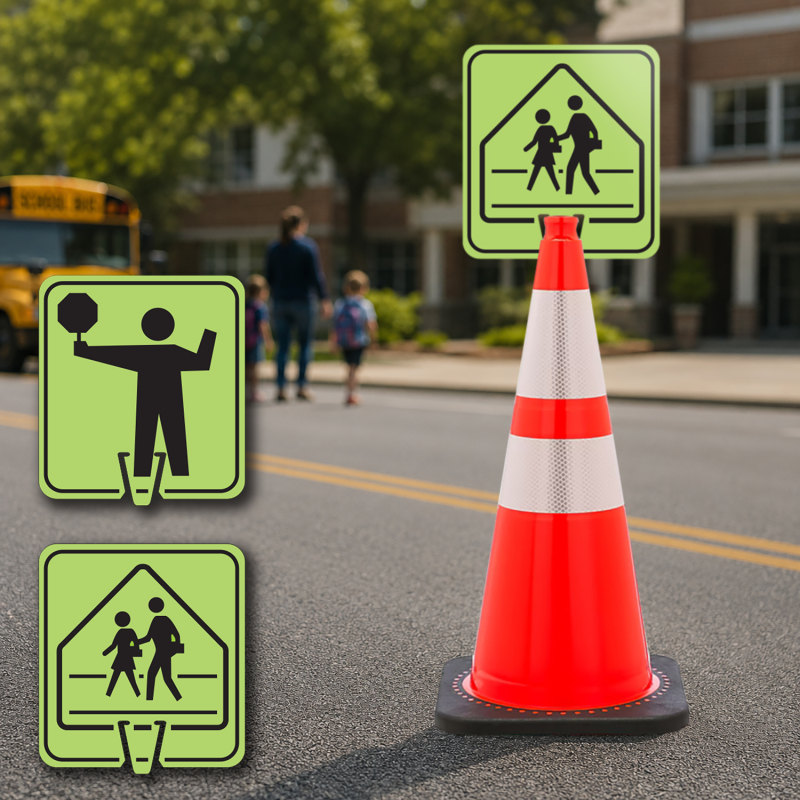
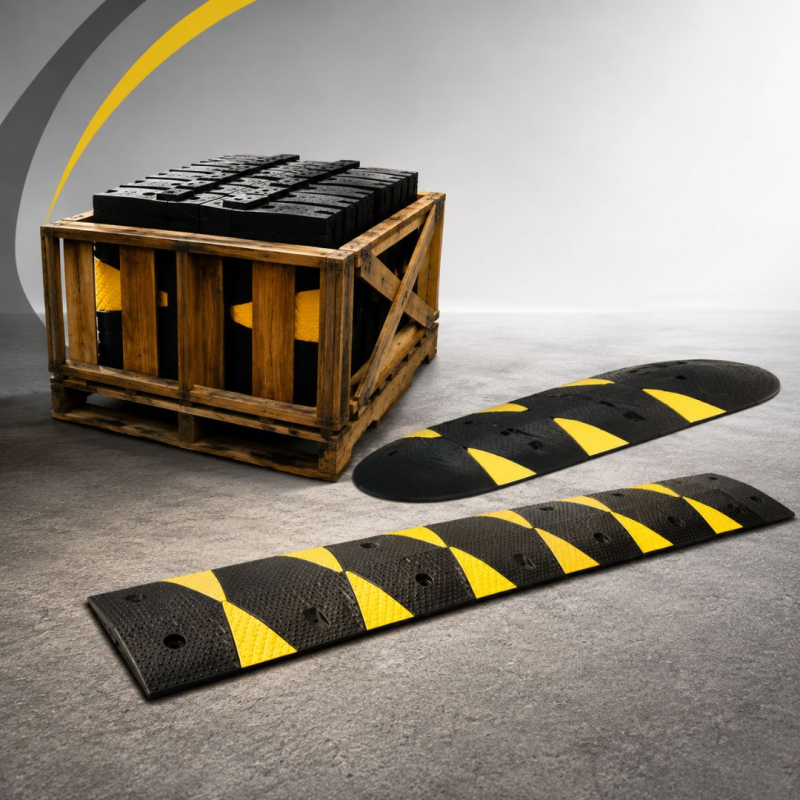
Simple interventions—cones, barricades, and flexible delineation—can transform an unstructured field into an organized system. Clearly defined lanes and rows don’t just look orderly; they reduce decision-making time for drivers and can improve parking density. In effect, a better layout means more vehicles accommodated with less confusion.
Surface conditions also matter. Solutions that work flawlessly on asphalt often fail on grass or gravel, where stability and visibility become challenges. Adaptable tools—weighted bases, flexible posts, and ground-mounted anchors—help bridge that gap, maintaining structure without requiring permanent infrastructure.
The Overlooked Movement: Pedestrians

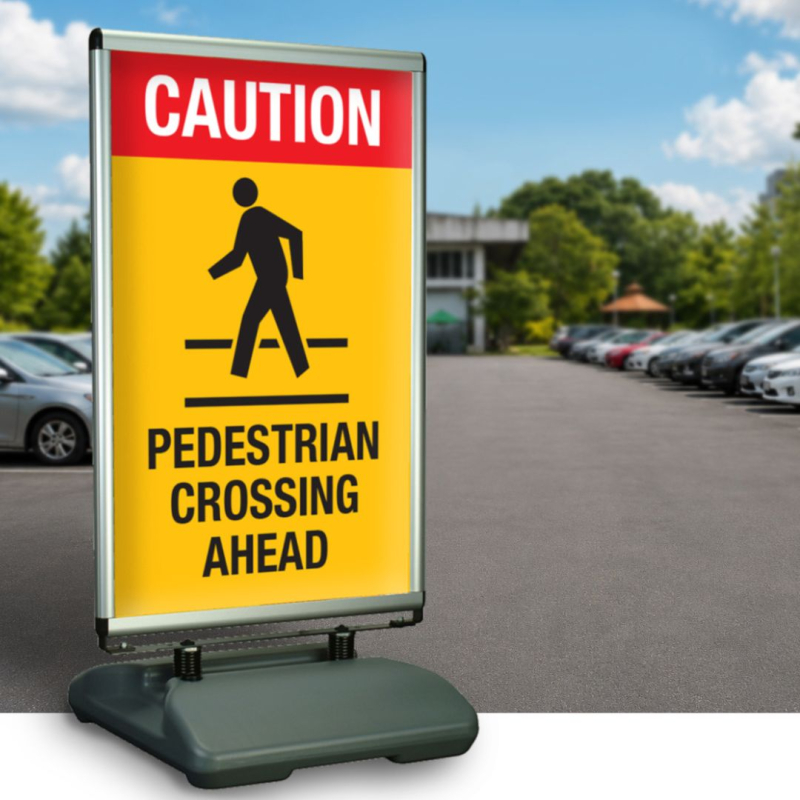
If vehicle flow is the visible challenge, pedestrian movement is the silent one. Attendees leaving an event often disperse in all directions, cutting across traffic patterns in ways that increase both risk and delay. Establishing clear pedestrian routes—through stanchions, chains, or adaptable barrier systems—introduces predictability. When people know exactly where to walk, they move confidently and quickly out of shared traffic zones.
Events that invest in clear traffic control, adaptable infrastructure, and visible safety measures tend to see benefits—not only in efficiency, but in attendee sentiment. In the end, the parking lot is not separate from the event—it is part of it.
Contact Us
Have questions or need help configuring products for your parking areas? Call 1-800-292-7275, chat with us online, or email orders@parkingzone.com. Our customer service team is available Monday–Friday, 8:00 AM to 5:00 PM PT.